01Why does a permanent jewelry artist need insurance?
Think about what you do all day. You bring an electric arc to a jump ring that sits on someone's wrist. The flash is bright enough that Sunstone's safety guide says "Never watch someone weld without proper eye protection". You sell a product the customer wears for months. And you do it in other people's spaces: a salon, a boutique, a market.
Each of those is a way for something to go wrong that has nothing to do with your skill: a client who flinches, a reaction to a metal, a chain that snaps and takes a charm with it, a visitor who trips over your cord. Insurance is what stands between one bad Saturday and your savings.
It's also, often, the price of admission. Beauty Queen Insurance tells applicants to send along any insurance requirements they've received "from any event center or market": "Some places have specific coverages and limits they want you to have." So ask each venue or organizer what it requires before you book.

02Which kinds of cover apply?
The SBA's guide to business insurance lists the common types. Four matter here.
- General liability: injury or property damage to someone else, like the visitor and the cord.
- Professional liability: claims tied to the service you perform, here the welding itself.
- Product liability: claims tied to the thing you sold, the chain and its clasp-free ring.
- Commercial property: your own equipment, the welder and your stock of chain.
Specialist policies bundle the first two. Beauty Queen Insurance says its average permanent jewelry quote "includes General Liability and Professional Liability", that pop-ups are covered, and that cover for your business property is an additional premium. If you hire help, your state's rules on workers' compensation come into play too: the SBA covers that on the same page.
03How much does permanent jewelry insurance cost?
Two published figures, from two insurers that name this trade or jewelry businesses on their sites. Both were read on November 13, 2026.
Beauty Queen Insurance: "The average quote for Permanent Jewelry is about $700 before taxes and fees which includes General Liability and Professional Liability". That's an average of quotes, so yours can land on either side.
ACT Insurance: jewelry business insurance "from $24.25 per month", "or $49 for event coverage". Those are advertised starting prices. Check what "jewelry business" covers in their wording: selling jewelry at a booth and welding it onto a wrist aren't the same activity.
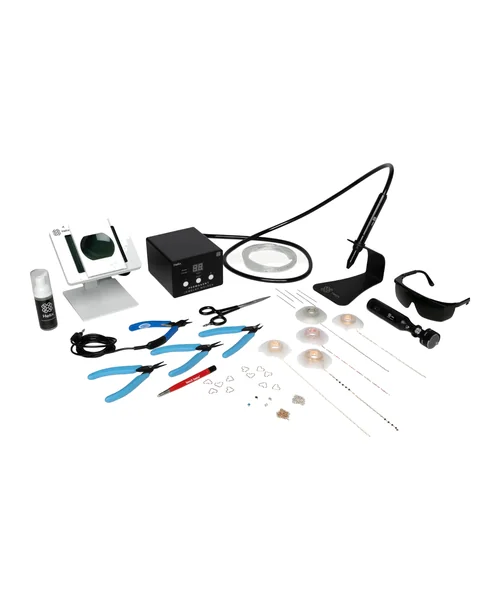
Put that next to your equipment: our No. 1 kit, the Pepetools Helix Starter Kit, was $2,399 that day, so the average quote is a real line next to it. It belongs in your start-up budget from day one; our start-up cost guide adds it up.
Mind the calendar too. Beauty Queen Insurance asks you to start the application "at least 2 weeks before you need coverage", and says a certificate of insurance can't be issued until the carrier sends a policy number, which "can take anywhere from 2-5 business days" after binding. The week of your first market is too late to start.
04What should you ask before you buy a policy?
Write these down and send them to at least two insurers. Keep the answers.
- Is welding permanent jewelry on a client named or clearly included in the covered activities?
- Are pop-ups, markets, private parties and work inside someone else's salon covered, in every state where I'll work?
- Is my welder covered against theft or damage, at home and at events? Is that the "business personal property" option?
- Can a venue be added as an additional insured, and what does each certificate cost?
- Does the policy require a signed waiver, specific eye protection or training?
- What's excluded: minors, certain metals, anklets, repairs?
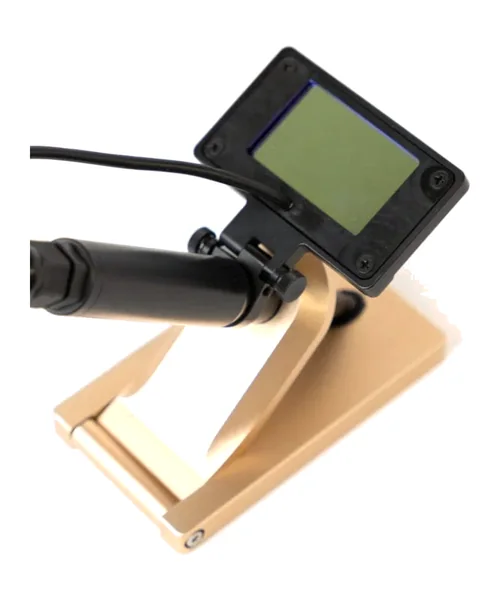
The fifth question matters for your equipment choice. If an insurer expects you to show how you protect eyes, a welder that ships with protection saves you an argument: the EVERARC + EVERSHIELD and the Helix and Everlinx kits include a darkening screen.
05What does a waiver do, and what doesn't it do?
A waiver is a short document your client signs before you weld. It usually explains what the service is, that the piece has no clasp and must be cut to remove, what risks exist, how to care for it, and that there are times it may have to come off, which is a question for the client's doctor, not for you. It records that they understood and agreed.
What it does: sets expectations, shows you informed the client, and gives you a signed record. What it doesn't do: replace insurance, or protect you from everything. How much weight a waiver carries depends on state law and on how it's written.
Where to get one. LINKED's training kit includes a waiver template, and courses from Sunstone and Everlinx cover the business side. Treat any template as a draft: have a local attorney or your insurer look at it once. That's a small one-time cost for a page you'll use every day. Ask too about clients under 18: who has to sign for them is a legal question for your state.
06What safety habits do insurers and clients expect?
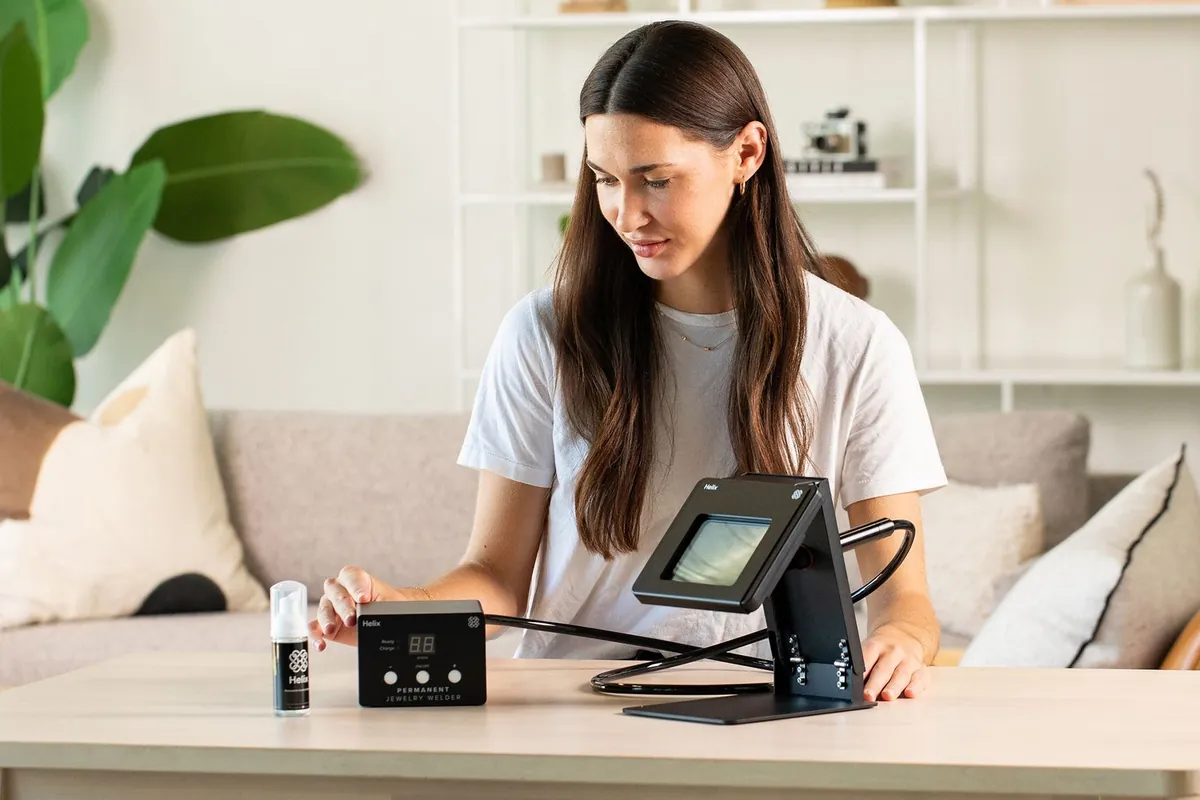
The makers' own guides give you the list. Eye protection for you on every weld: Sunstone says "you must use eye protection", and the reference for filter shades is OSHA's standard 1910.133, written for employers but useful to anyone choosing a lens. Protection or a turned head for the client. A leather patch between chain and skin. A grounded tool on the ring.
Add the habits of any tidy stall: cords taped down, the welder out of a child's reach, a small first-aid kit, your settings noted so you don't experiment on a paying wrist.
Equipment helps. A welder with a published range and small steps lets you work at the lowest setting that closes the ring. A 72-inch stylus lets you seat the client comfortably. A screen that darkens for each weld lets you see what you're doing. Those are the things our beginner ranking weighs most.
This guide helps you buy equipment and plan a budget; it isn't safety, legal, tax or insurance advice, and it promises no income. Licensing, sales tax and insurance rules change from state to state and city to city: check yours, and read your welder's manual before your first weld.